
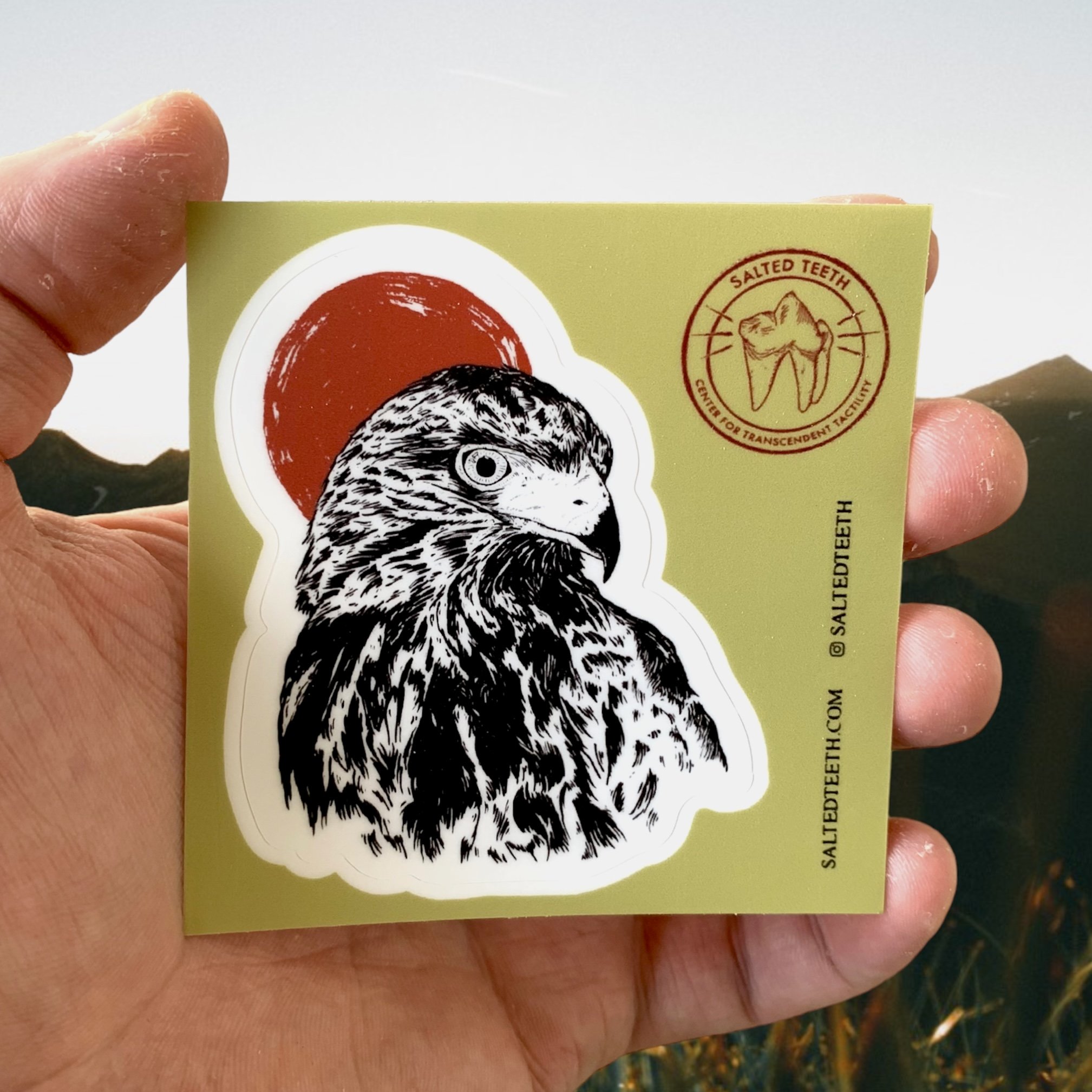
 Image 1 of 2
 Image 2 of 2
YOU MIGHT ALSO LIKE
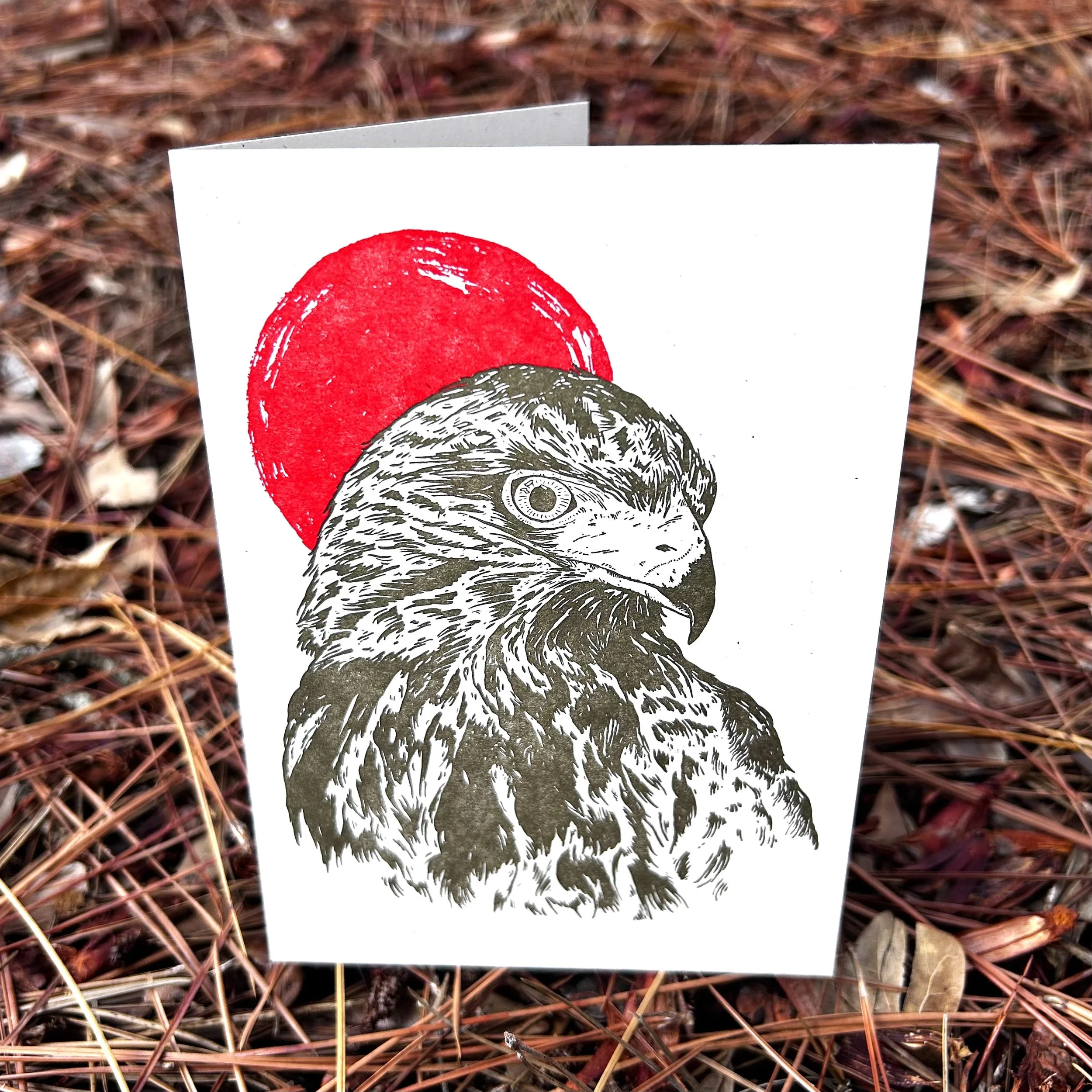
Two-color letterpress print on Modero Beach 100# Speckletone cover from French Paper Co. Measures 4 1/2” x 6 1/8” (A6). Includes an envelope and come in a protective sleeve. Blank inside.

Limited edition, two-color screen print on starch white Speckletone paper from French Paper Co. Printed by hand. Measures 8” x 10”. Edition of 33, signed and numbered.


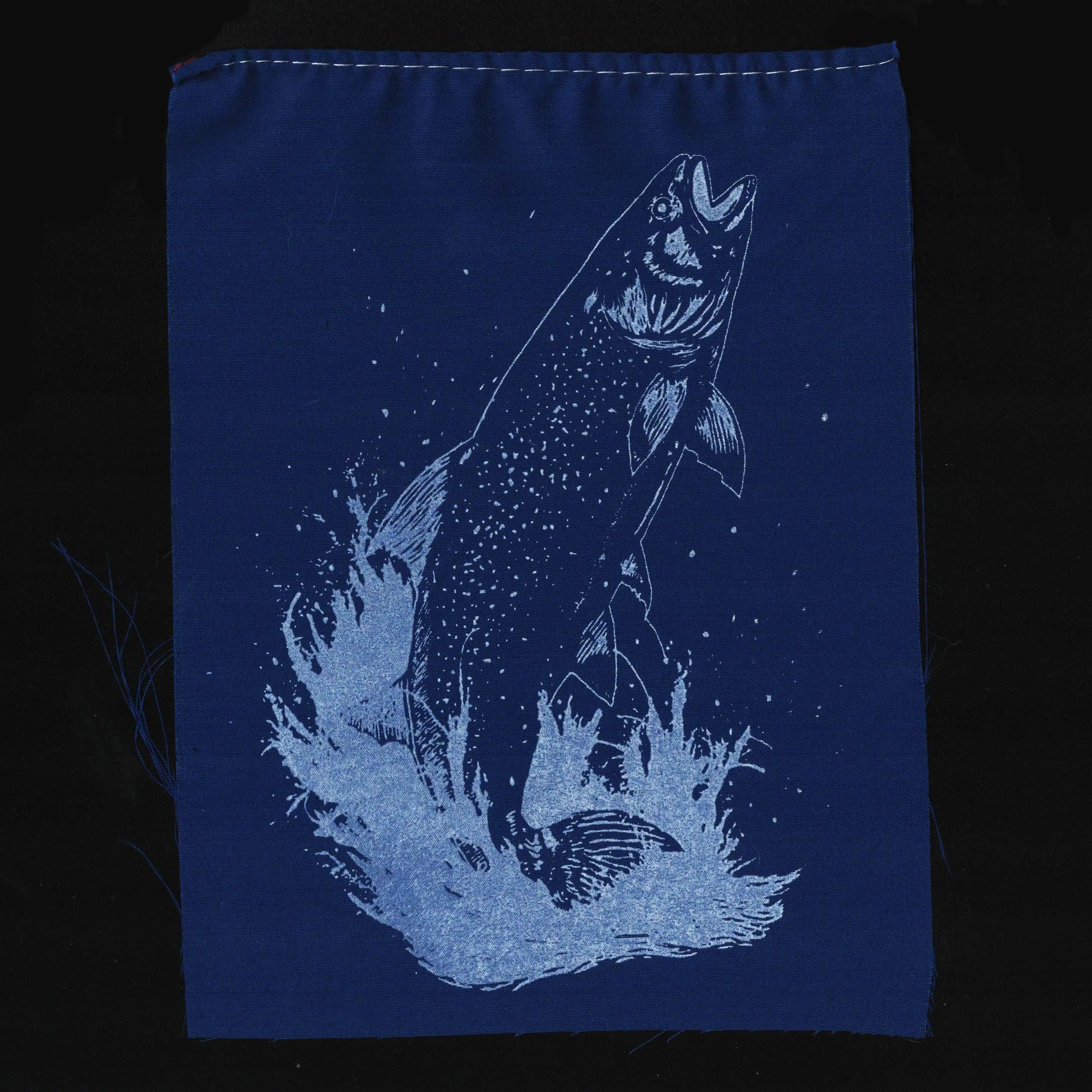

These flags were inspired by the Tibetan prayer flag – a colorful symbol used to promote peace, compassion, strength, and wisdom. This reimagining of these flags, while still meant to promote those virtues, focuses on the lands non-human inhabitants and highlights what we might learn from them. They are meant to serve as visual mantras, to be carried by the wind, and to gradually fray and return to the land.
String of ten flags. Hand screen-printed with water-based ink. Each flag measures approximately 6” x 8”. The entire string is approximately 6’ long. There are five designs in total (rainbow trout, red-tailed hawk, jackrabbit, bighorn sheep, red fox), each printed twice. Each string of flags was printed by hand, sixteen seperate times (due to some flags having two-color prints). Due to the nature of screen-printing by hand, there will be some variation from print to print. One time, limited edition of 24 sets.
There are four flag sets where the bighorn sheep design was printed in blue ink. That design was printed in a cream color on the other twenty sets. You have an option to choose which you prefer during checkout.
There is a very limited number of single flags available. These were taken from strings where not all of the prints came out well. The individual flags were then cut out from those strings as a means to salvage the prints that were good.


“Oxpecker & Juniper”
(graphite, charcoal, watercolor)
5" x 5" (framed)
Created for the show "Love" at the Los Angeles County Store, and since this piece was made specifically for that show I thought I would give you some context. An Oxpecker is a species of bird endemic to the savanna and Sub-Saharan Africa. They graze on the bodies of large mammals and feed on ectoparasites. Originally this was believed to be a symbol of mutualism, or a symbiotic relationship, but there is now some debate over whether the bird may be a parasite itself. I felt that the complexity of this relationship was fitting for the theme of love. The Juniper is incorporated because I enjoy the smell of the plant and it reminds me of spending summers in Colorado as a child, a pleasant memory.